
1. Sell-on
Sell-on Fees are one of the most powerful features in ContingencyAI. They track the "chain of ownership" as a player moves from club to club. Because these clauses can last for years and involve multiple transfers, the system uses specific logic for tiers and "chains."
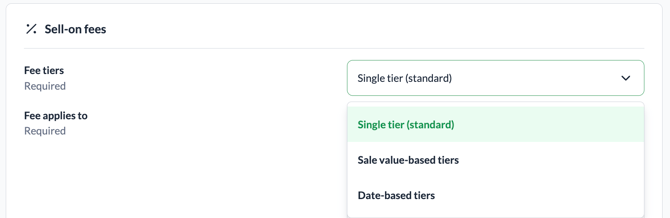
1.1. Flat Rate vs. Tiered
This defines whether the percentage stays the same or changes based on specific conditions.
-
Flat Rate:
-
What it is: A single, fixed percentage that never changes.
-
Example: "Club A receives 15% of any future sale."
-
How it works: Whether the player is sold tomorrow for £1m or in five years for £50m, the rate is always 15%.
-
-
Tiered Rate (Dynamic Percentages): Contracts often don't have a single fixed percentage. Instead, the percentage "evolves" based on either the date of the sale or the total amount of the sale.
-
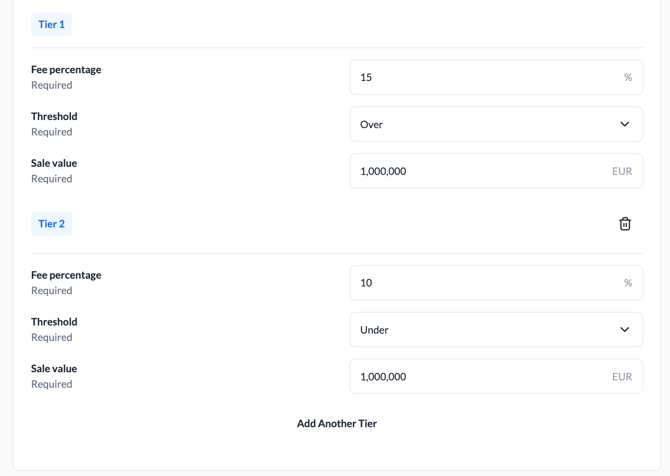
A. Amount-Based Tiers (Sale Value): The percentage changes depending on how much the player is sold for.
-
The Logic: The system checks the "Total Fixed Fee" of the new transfer.
-
Example: Sale price €0 - €1m: 10% sell-on; Sale price €1m+: 15% sell-on.
-
-
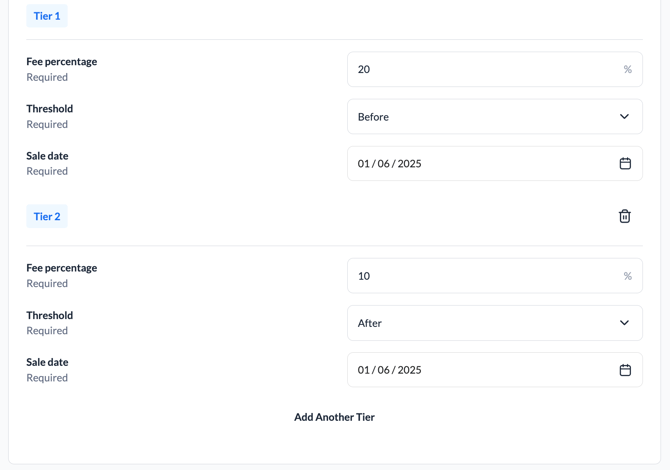
B. Date-Based Tiers (Time Sensitivity): The percentage changes based on when the player is sold.
-
The Logic: The system looks at the Transfer Date of the new move and finds which "Date Range" it falls into.
-
Example: Sold before June 2025: 20%; Sold after June 2025: 10%.
-
-
1.2. Profit vs. Sale Value (The "Base" of the Calculation)
This defines what amount the percentage is applied to.
-
Sale Value (Gross Transfer Fee):
-
What it is: The percentage is applied to the total amount of the new transfer.
-
How it works: If Club A has a 10% "Sale Value" sell-on and the player is sold for £10 million, Club A gets £1 million.
-
-
Transfer Profit (Net Profit):
-
What it is: The percentage is only applied to the profit the club made on the player.
-
How it works: Imagine Club B bought a player for £8 million and later sells him for £10 million. The profit is £2 million. A 10% "Profit-based" fee is 10% of that £2m (£200,000).
-
Note: If a club is sold for the same price or less than what they were bought for, a "Profit-based" fee will trigger as £0.
-
1.3. Apply to: "Fixed Fees Only" vs. "All Fees"
This setting tells the system whether the previous club gets a "slice" of just the guaranteed money or also the "add-ons."
-
Fixed Fees Only: The sell-on percentage is only applied to the initial transfer price (guaranteed installments). Once the upfront fee is paid, the previous club doesn't receive any more money.
-
All Fees (including Contingency Fees): The previous club gets their percentage of every single pound the new club receives for the player.
-
Result: This creates the Sell-on Chain. If the player hits 50 games and a £1m bonus is paid, the system automatically triggers a percentage of that £1m for the previous club.
-
1.4. Transfer Type: "Permanent" vs. "Loan" (or Both)
-
Permanent Transfer: Only triggers if the player is sold permanently.
-
Loan: Triggers specifically when the player is loaned out. The previous club receives their percentage of the Loan Fee.
-
Permanent & Loan (Both): The previous club gets their cut regardless of how the player moves.
1.5. Sell-on Chains: The "Recursive" Logic
A "Sell-on Chain" happens when multiple previous clubs are all owed a piece of the same future payment.
How the Chain Works:
-
Club A sells to Club B with a 20% sell-on.
-
Club B sells to Club C for £10m.
-
Club C's contract says: "Pay Club B £1m after 50 games."
-
When the player hits 50 games: Club C owes Club B £1m. The system looks "up the chain" and calculates that Club B now owes Club A £200,000 (20% of the £1m).
2. Purchase Options
A Purchase Option or Purchase Obligation represents the contractual agreement that allows (or forces) a club to turn a temporary loan into a permanent transfer.
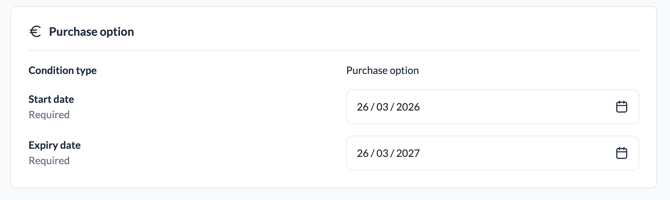
2.1. Option vs. Obligation
-
Option to Buy: The buying club has the choice to sign the player permanently for a fixed price at the end of the loan.
-
Obligation to Buy (Purchase Obligation): The buying club must sign the player permanently if specific conditions are met (e.g., avoiding relegation, promotion, or appearance thresholds).
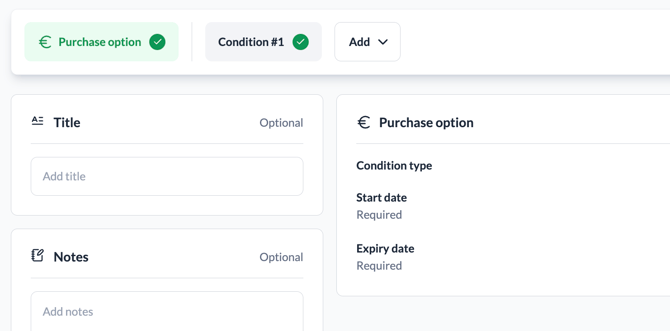
- If the Purchase Clause is contingent to a condition it is treated as Purchase Obligation
2.2. The Triggering Process
When obligation conditions are met:
-
Detects the Milestone: System sees the condition is satisfied.
-
Generates Event: A "Purchase Option Triggered" event records that the fee is now due.
-
Automatically Creates a Draft: The system creates a Permanent Ruleset Draft to transition the player status.
2.3. Transition to a Permanent Contract
The triggered draft acts as a "Bridge":
-
It carries over player info and sets the clubs for the permanent move.
-
Users enter new financial terms (base salary, new sell-ons, etc.).
-
Once activated, the original "Loan Ruleset" is completed.
3. Contract was extended
3.1. The Trigger
A payment is triggered when the player signs a new, official contract with the buying club that extends their stay beyond the original end date.
3.2. How the System "Detects" It
The system compares the "Expiry Date" of the player's current contract against the "Original Expiry Date" recorded during the initial transfer. If the date has moved further into the future, it identifies a "Contract Extension."
3.3. One-Time Payment
Most extension clauses are "One-Time" events. The "One-Time Evaluator" ensures that even if a player extends multiple times, the bonus only triggers the first time unless specified otherwise.
3.4. Verification Requirements
To confirm the extension, the system requires:
-
The Player ID
-
The Buying Club (Squad ID)
-
The Original Transfer Date